
Sitemap
A list of all the posts and pages found on the site. For you robots out there, there is an XML version available for digesting as well.
Pages

Posts
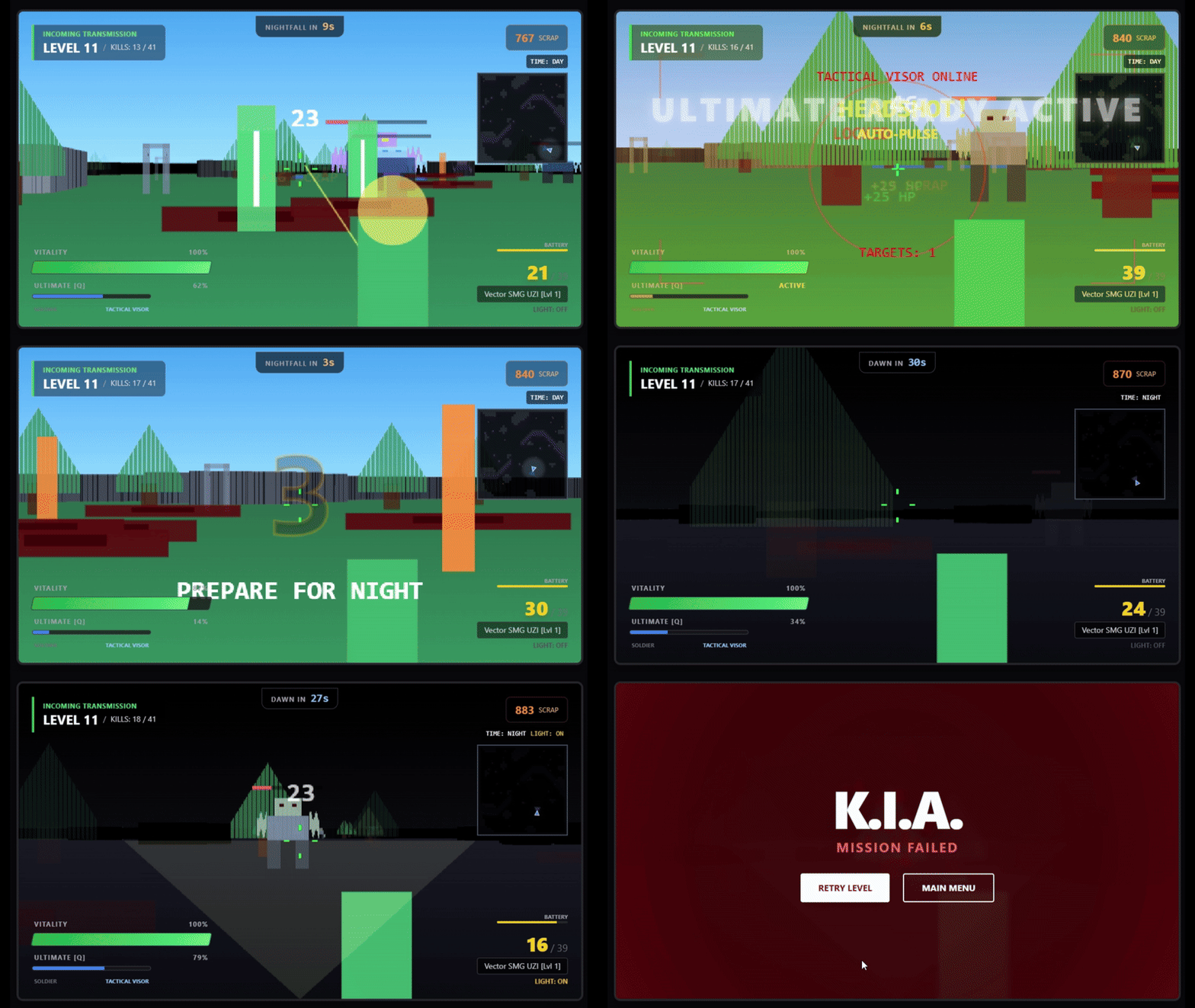
ZFighting: An Interesting Experience of AI-Human Coding FPS Game
Published:
This post shares my experience of developing a FPS game using Gemini AI Studio and Cursor, showcasing the collaborative potential between AI and human in game creation.
publications
<div class=”list__item” data-publication-year=”2021” data-publication-type=”journal” data-publication-title=”trajectory data based freeway high-risk events prediction and its influencing factors analyses” data-publication-authors=”rongjie yu, lei han, hui zhang*” data-publication-venue=”accident analysis & prevention”data-publication-method=”statistics method”data-publication-data=”trajectory data”data-publication-objects=”traffic conflicts analysis”>
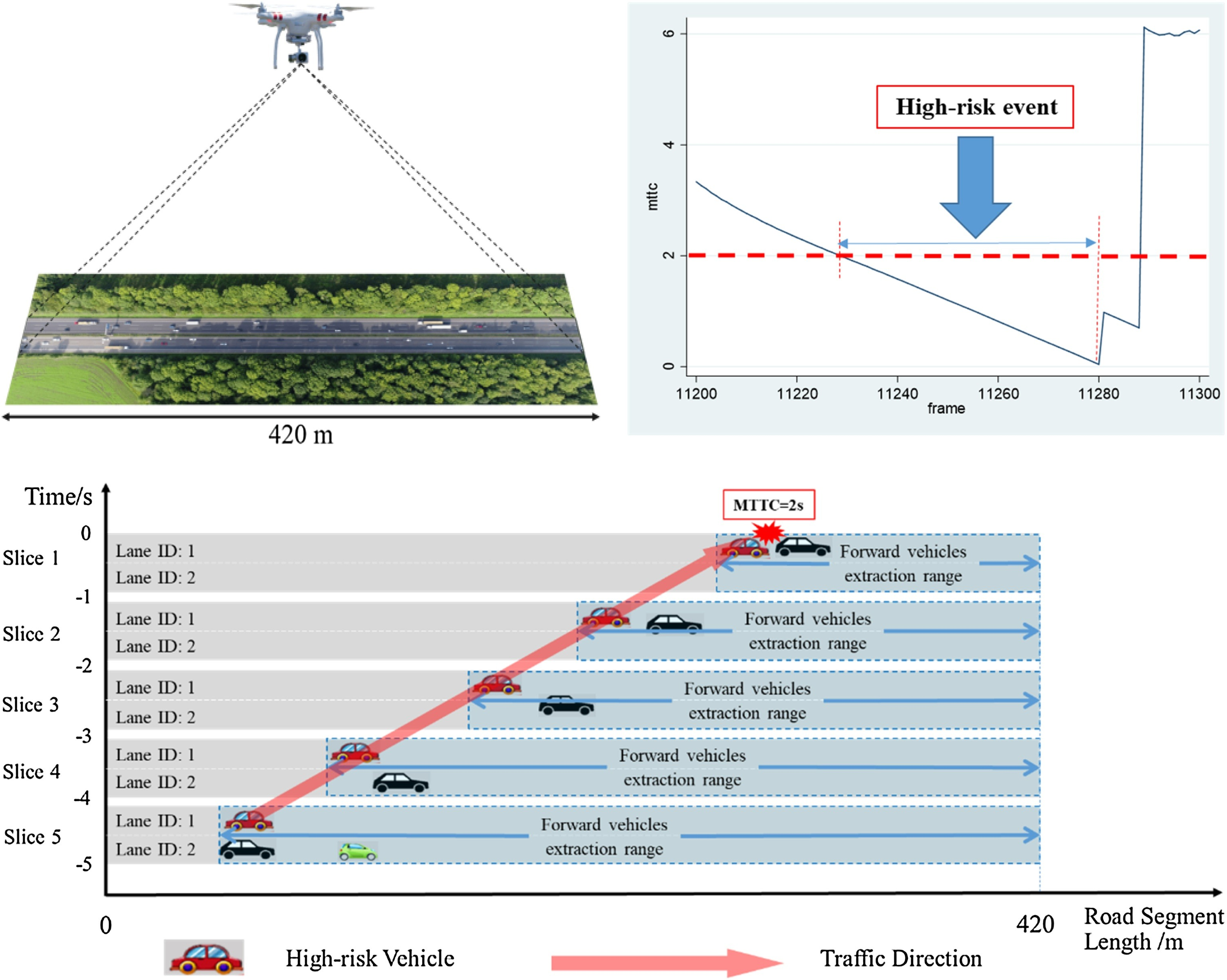
Trajectory Data Based Freeway High-Risk Events Prediction and Its Influencing Factors Analyses
Published in Accident Analysis & Prevention, 2021
This study uses High-D realistic vehicle trajectory data to predict high-risk events on freeways using random-parameter logistic regression models, achieving 97% prediction accuracy 2 seconds ahead of the occurrence of events.
</div>
<div class=”list__item” data-publication-year=”2023” data-publication-type=”journal” data-publication-title=”effects of spacing of highway roadside millimeter-wave radar detectors on the accuracy of a crash risk evaluation model” data-publication-authors=”dongfeng yang, jie dai, yueyan zhang, lei han, rongjie yu*” data-publication-venue=”交通信息与安全”data-publication-method=”machine learning”data-publication-data=”detector data”data-publication-objects=”real-time crash prediction”>
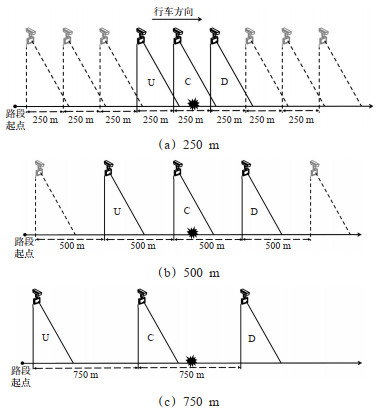
Effects of Spacing of Highway Roadside Millimeter-Wave Radar Detectors on the Accuracy of a Crash Risk Evaluation Model
Published in 交通信息与安全, 2023
This study investigates optimal spacing for millimeter-wave radar detectors on highways using a deep forest model. It achieves AUC of 0.849 with 80.9% recall, which is higher than CNN and RF models. It also finds that 750 m spacing balances cost and crash risk evaluation accuracy.
</div>
<div class=”list__item” data-publication-year=”2023” data-publication-type=”journal” data-publication-title=”driving risk assessment under the connected vehicle environment: a cnn-lstm modeling approach” data-publication-authors=”yin zheng, lei han, jiqing yu, rongjie yu*” data-publication-venue=”digital transportation and safety”data-publication-method=”deep learning”data-publication-data=”trajectory data”data-publication-objects=”traffic conflicts analysis”>
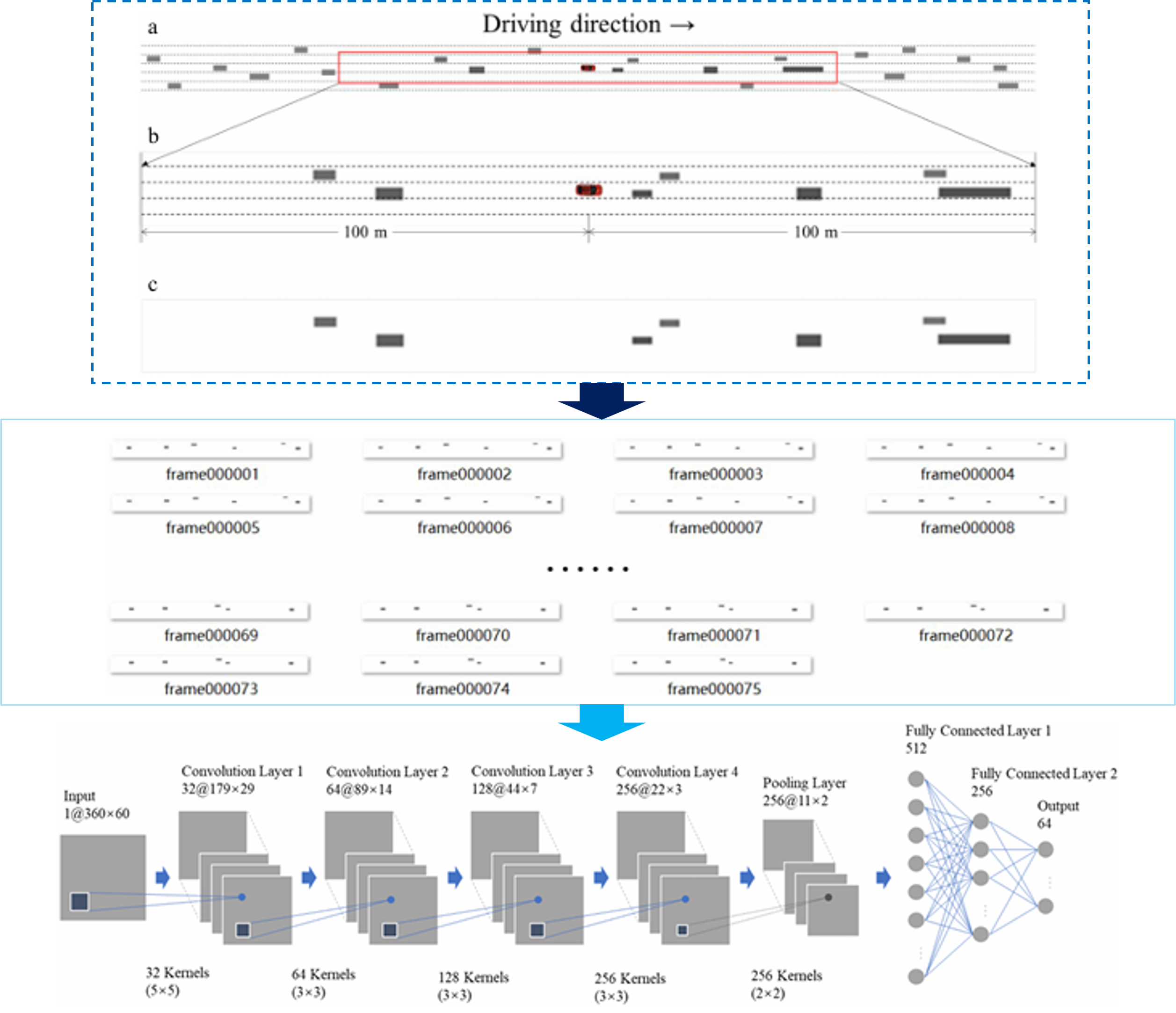
Driving Risk Assessment Under the Connected Vehicle Environment: A CNN-LSTM Modeling Approach
Published in Digital Transportation and Safety, 2023
This study proposes a CNN-LSTM hybrid model for driving risk assessment using connected vehicle data. It takes time-series top views of CV driving environment as inputs, achieving an AUC of 0.997 by capturing spatial interactions and temporal variability.
</div>
<div class=”list__item” data-publication-year=”2024” data-publication-type=”journal” data-publication-title=”improving model robustness of traffic crash risk evaluation via adversarial mix-up under traffic flow fundamental diagram” data-publication-authors=”rongjie yu, lei han, mohamed abdel-aty, liqiang wang, zihang zou*” data-publication-venue=”accident analysis & prevention”data-publication-method=”deep learning”data-publication-data=”detector data”data-publication-objects=”real-time crash prediction”>
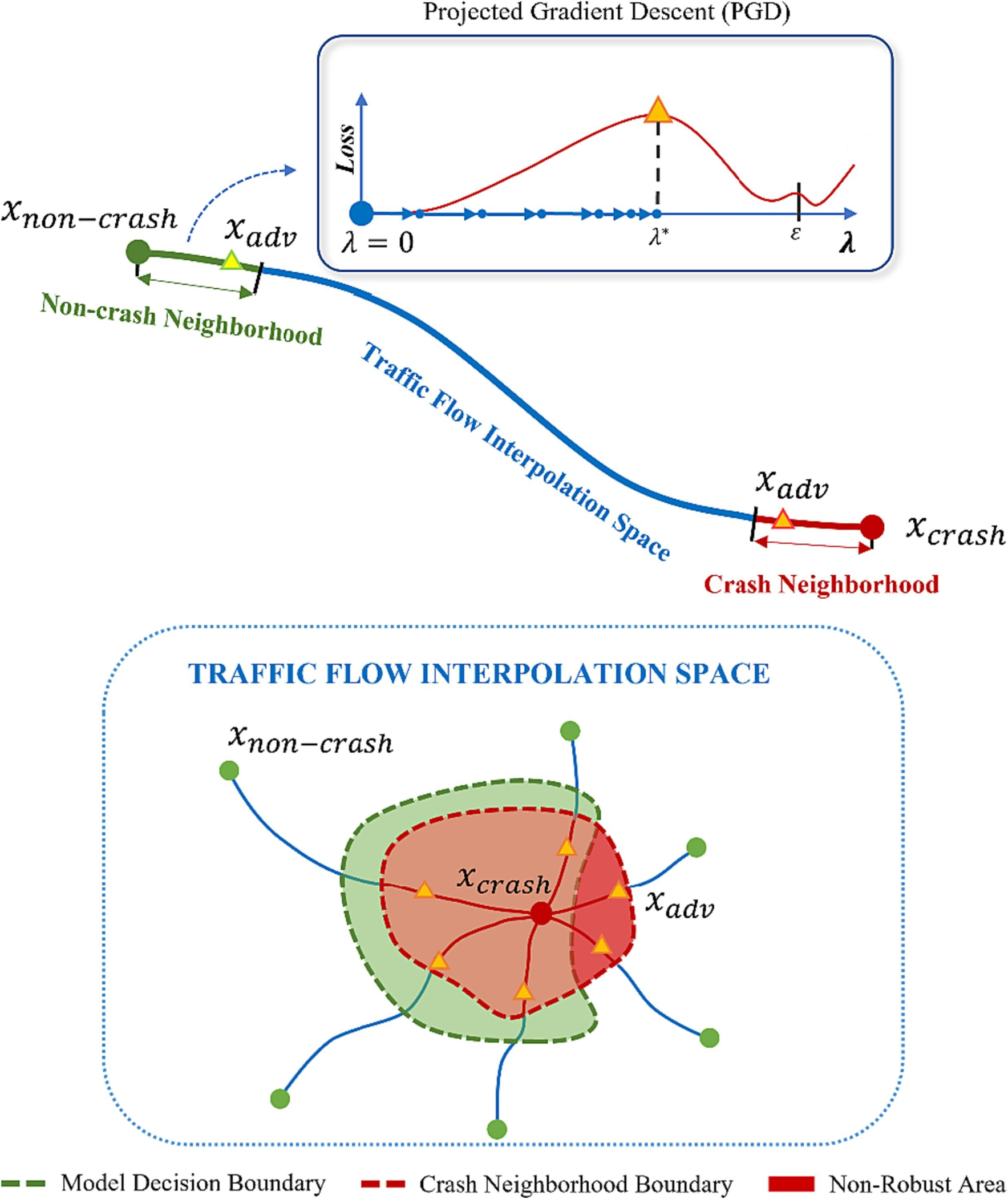
Improving Model Robustness of Traffic Crash Risk Evaluation via Adversarial Mix-Up Under Traffic Flow Fundamental Diagram
Published in Accident Analysis & Prevention, 2024
This study addresses robustness issues in deep learning-based crash risk evaluation models. By proposing a coverage-oriented adversarial training method, it generates traffic flow adversarial examples (TF-AEs) to prevent 76.5% accuracy drops and 98.9% sensitivity drops.
</div>
<div class=”list__item” data-publication-year=”2024” data-publication-type=”journal” data-publication-title=”utilizing angle-based outlier detection method with sliding window mechanism to identify real-time crash risk” data-publication-authors=”zhen gao, jingning xu, rongjie yu*, lei han” data-publication-venue=”journal of transportation safety & security”data-publication-method=”machine learning”data-publication-data=”detector data”data-publication-objects=”real-time crash prediction”>
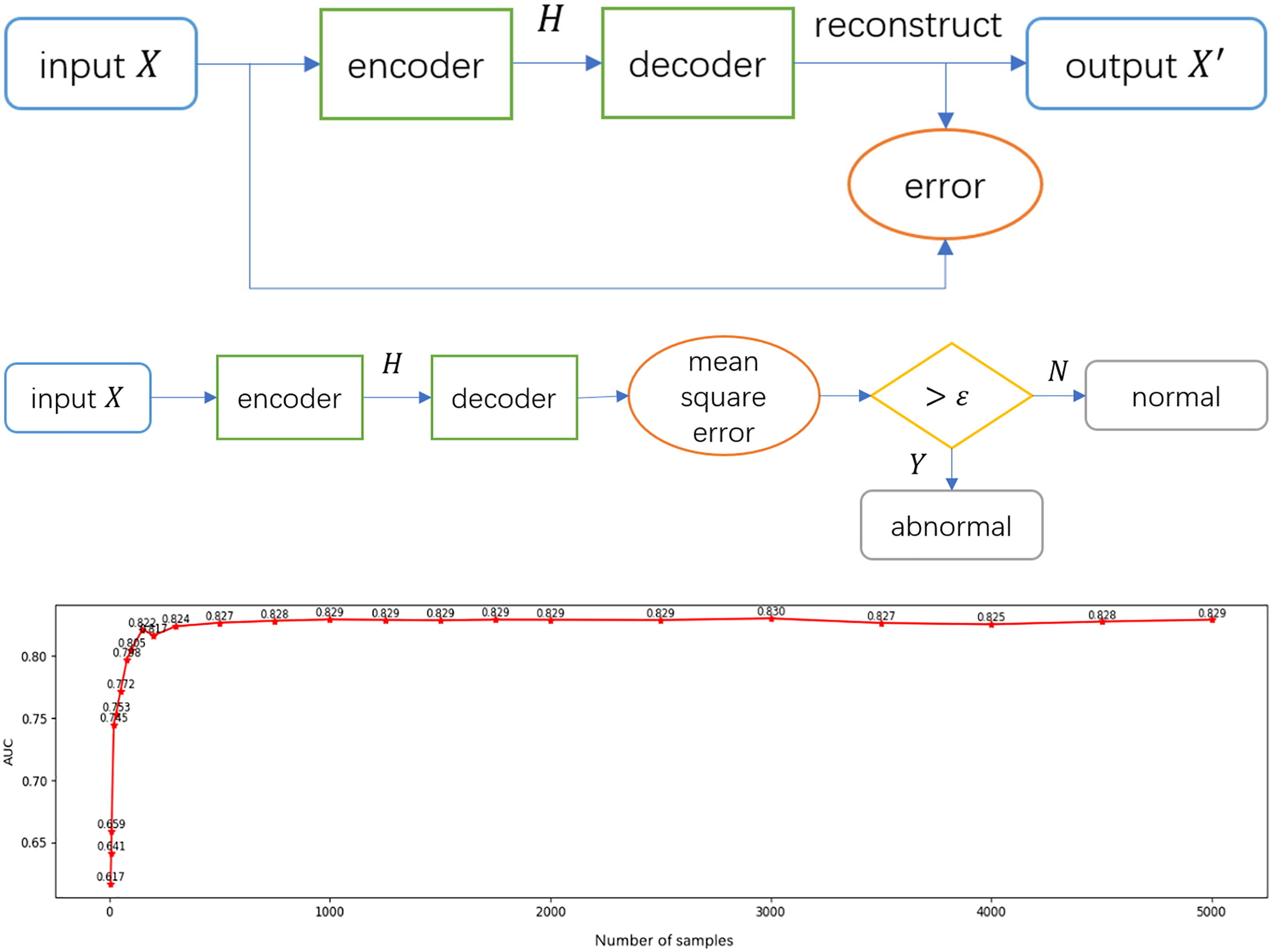
Utilizing Angle-Based Outlier Detection Method with Sliding Window Mechanism to Identify Real-Time Crash Risk
Published in Journal of Transportation Safety & Security, 2024
This study introduces an unsupervised Angle-Based Outlier Detection approach with sliding window mechanism for real-time expressway crash risk identification, achieving 80.4% sensitivity and addressing data imbalance issues.
</div>
<div class=”list__item” data-publication-year=”2024” data-publication-type=”journal” data-publication-title=”effects of speed difference on injury severity of freeway rear-end crashes: insights from correlated joint random parameters bivariate probit models and temporal instability” data-publication-authors=”chenzhu wang*, mohamed abdel-aty, lei han” data-publication-venue=”analytic methods in accident research”data-publication-method=”statistics method”data-publication-data=”crash data”data-publication-objects=”crash severity analysis”>
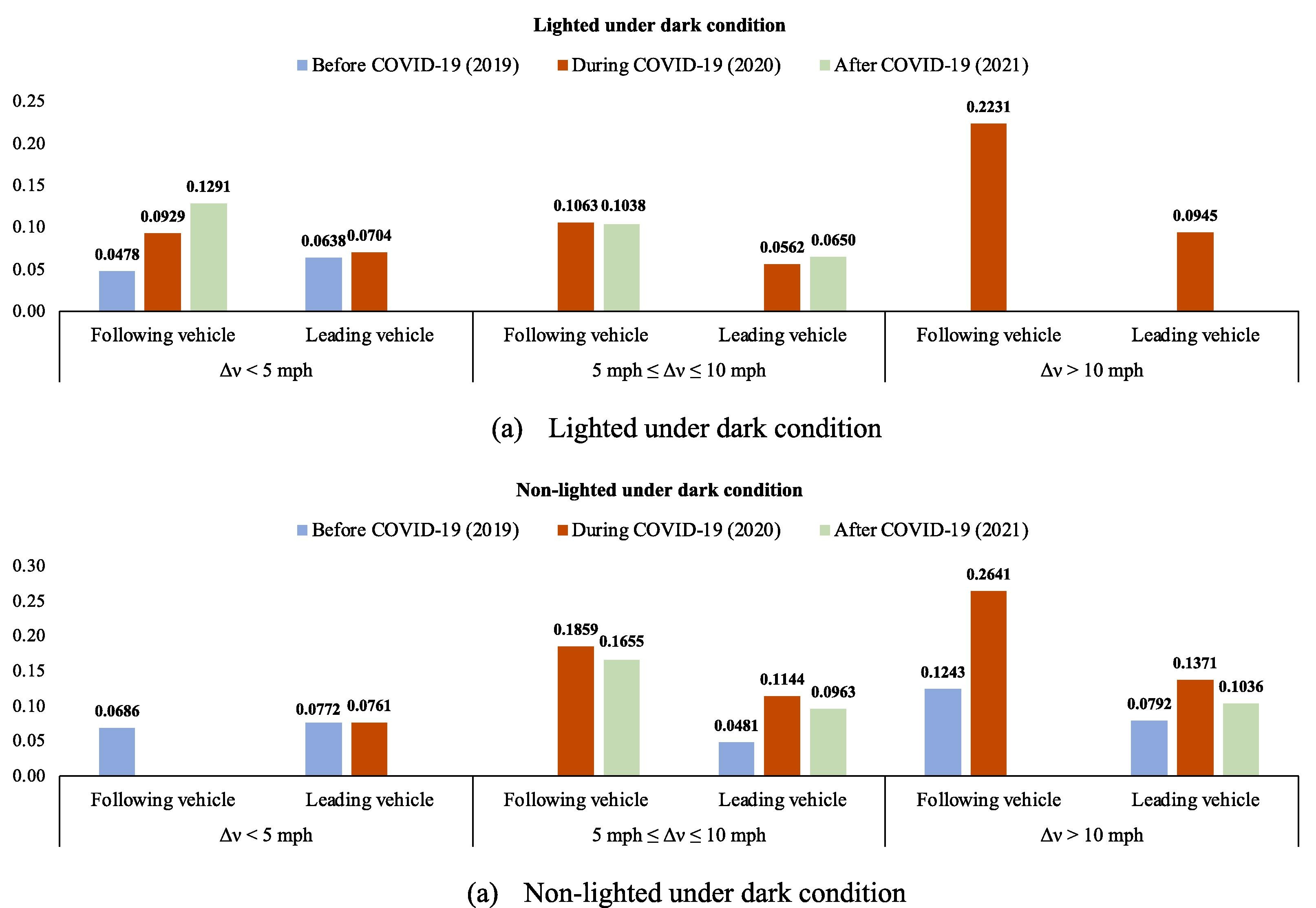
Effects of Speed Difference on Injury Severity of Freeway Rear-End Crashes: Insights from Correlated Joint Random Parameters Bivariate Probit Models and Temporal Instability
Published in Analytic Methods in Accident Research, 2024
This study investigates the impact of speed differences on rear-end crash severity using joint random parameters bivariate probit models, accounting for temporal instability during COVID-19.
</div>
<div class=”list__item” data-publication-year=”2024” data-publication-type=”journal” data-publication-title=”transformer-based modeling of abnormal driving events for freeway crash risk evaluation” data-publication-authors=”lei han, rongjie yu*, chenzhu wang, mohamed abdel-aty” data-publication-venue=”transportation research part c: emerging technologies”data-publication-method=”deep learning”data-publication-data=”connected vehicle data”data-publication-objects=”real-time crash prediction; risky driving behavior”>
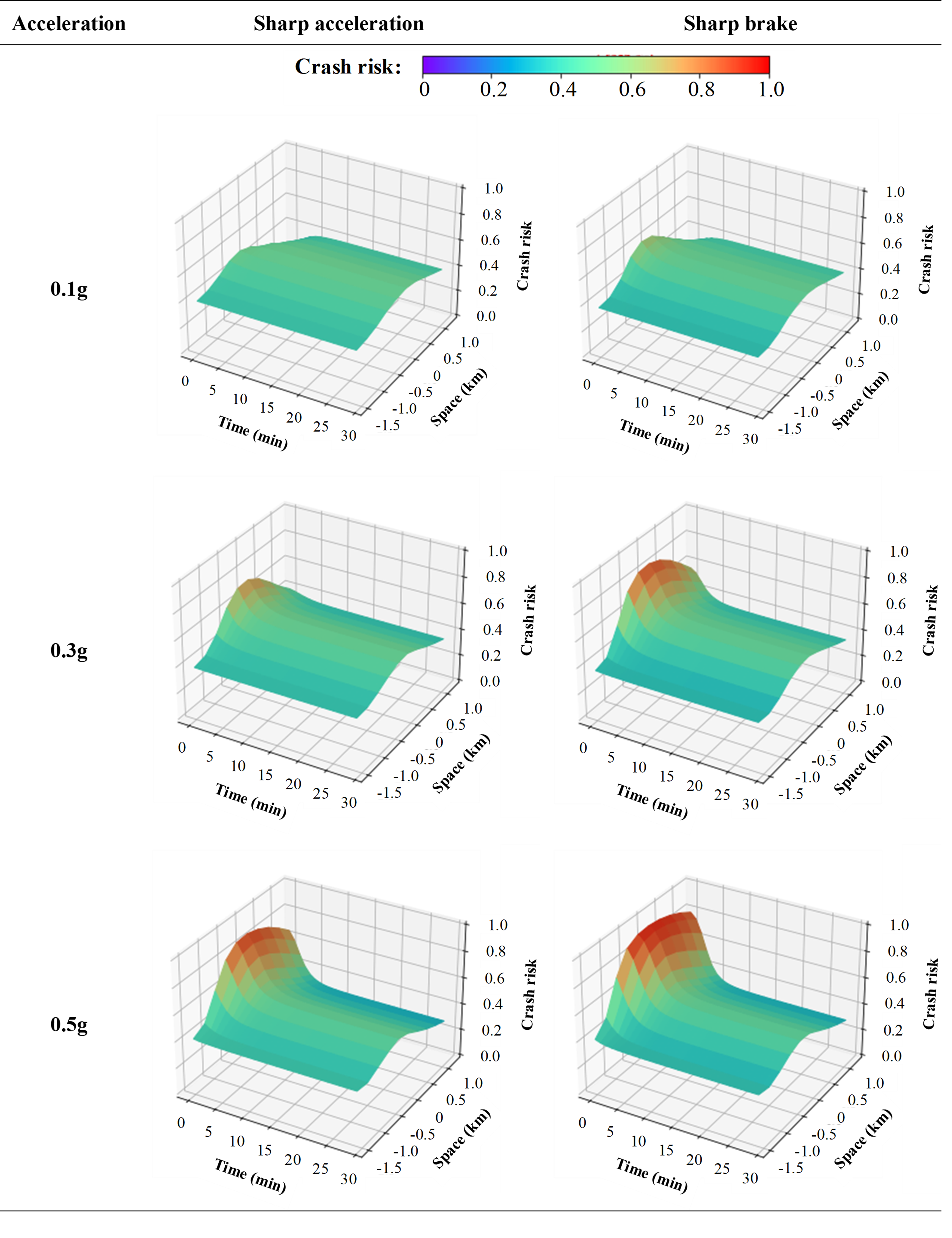
Transformer-Based Modeling of Abnormal Driving Events for Freeway Crash Risk Evaluation
Published in Transportation Research Part C: Emerging Technologies, 2024
This study proposes a Transformer-based model for freeway crash risk evaluation using abnormal driving events, achieving 84.1% accuracy and 77.7% AUC and outperforming traditional methods. It also reveals the temporal-spatial decay and collective effect of abnormal driving events.
</div>
<div class=”list__item” data-publication-year=”2024” data-publication-type=”journal” data-publication-title=”lstm + transformer real-time crash risk evaluation using traffic flow and risky driving behavior data” data-publication-authors=”lei han, mohamed abdel-aty, rongjie yu*, chenzhu wang” data-publication-venue=”ieee transactions on intelligent transportation systems”data-publication-method=”deep learning”data-publication-data=”connected vehicle data; detector data”data-publication-objects=”real-time crash prediction; risky driving behavior”>
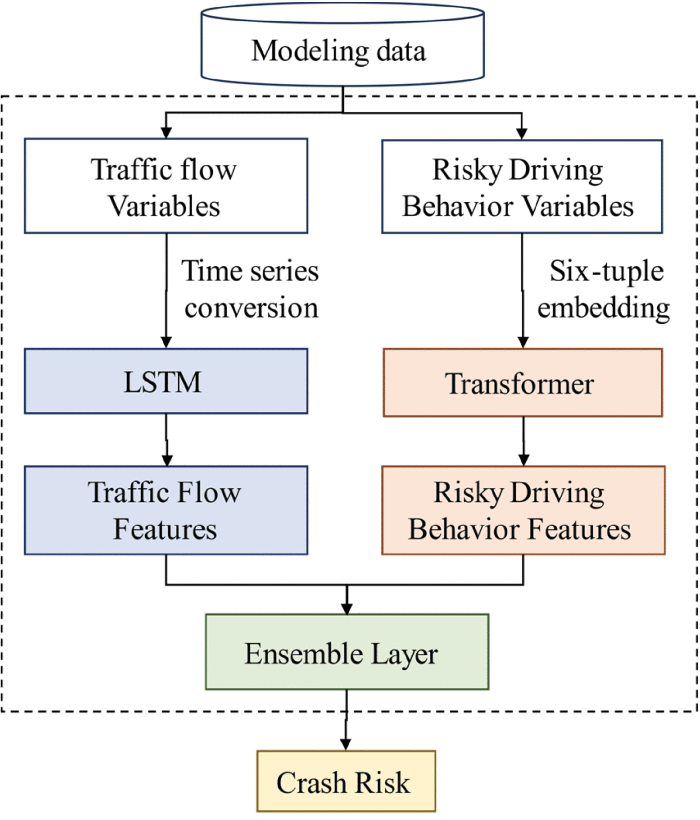
LSTM + Transformer Real-Time Crash Risk Evaluation Using Traffic Flow and Risky Driving Behavior Data
Published in IEEE Transactions on Intelligent Transportation Systems, 2024
This study develops an LSTM + Transformer approach integrating traffic flow data from millimeter-wave radars and risky driving behavior data from connected vehicles, achieving 77.7% accuracy and 78.5% AUC for real-time crash risk evaluation.
</div>
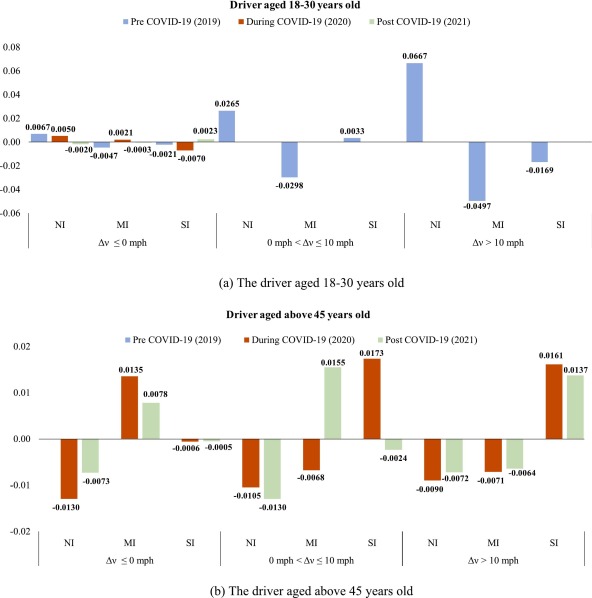
<div class=”list__item” data-publication-year=”2024” data-publication-type=”journal” data-publication-title=”analyzing speed-difference impact on freeway joint injury severities of leading-following vehicles using statistical and data-driven models” data-publication-authors=”chenzhu wang, mohamed abdel-aty, lei han*, said easa” data-publication-venue=”accident analysis & prevention”data-publication-method=”machine learning”data-publication-data=”crash data”data-publication-objects=”crash severity analysis”>
Analyzing Speed-Difference Impact on Freeway Joint Injury Severities of Leading-Following Vehicles Using Statistical and Data-Driven Models
Published in Accident Analysis & Prevention, 2024
This study analyzes the impact of speed differences on joint injury severities in freeway rear-end crashes using joint statistical and machine learning models.
</div>
<div class=”list__item” data-publication-year=”2024” data-publication-type=”journal” data-publication-title=”effects of helmet usage on moped riders’ injury severity in moped-vehicle crashes: insights from partially temporal constrained random parameters bivariate probit models” data-publication-authors=”chenzhu wang, mohamed abdel-aty, pengfei cui*, lei han” data-publication-venue=”accident analysis & prevention”data-publication-method=”statistics method”data-publication-data=”crash data”data-publication-objects=”crash severity analysis”>
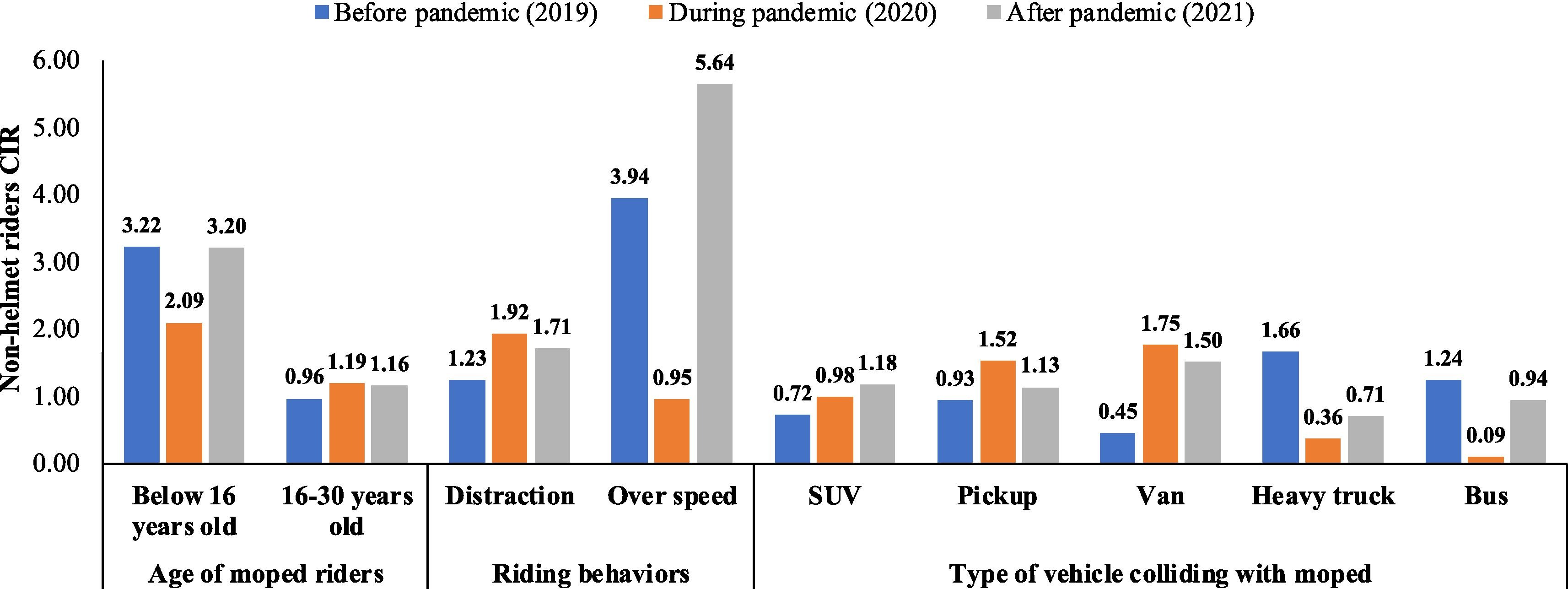
Effects of Helmet Usage on Moped Riders’ Injury Severity in Moped-Vehicle Crashes: Insights from Partially Temporal Constrained Random Parameters Bivariate Probit Models
Published in Accident Analysis & Prevention, 2024
This study examines the association between helmet usage and injury severity in moped-vehicle crashes using partially temporally constrained random parameters bivariate probit models.
</div>
<div class=”list__item” data-publication-year=”2025” data-publication-type=”journal” data-publication-title=”impact of speed on injury severity in single-vehicle run-off-road crashes: insights from partially temporal constrained modeling approach” data-publication-authors=”zhe wang, chenzhu wang*, mohamed abdel-aty, lei han, helai huang, jinjun tang” data-publication-venue=”accident analysis & prevention”data-publication-method=”statistics method”data-publication-data=”crash data”data-publication-objects=”crash severity analysis”>
Impact of Speed on Injury Severity in Single-Vehicle Run-Off-Road Crashes: Insights from Partially Temporal Constrained Modeling Approach
Published in Accident Analysis & Prevention, 2025
This study investigates the impact of speed on injury severity in single-vehicle run-off-road crashes using a partially temporal constrained modeling approach.
</div>
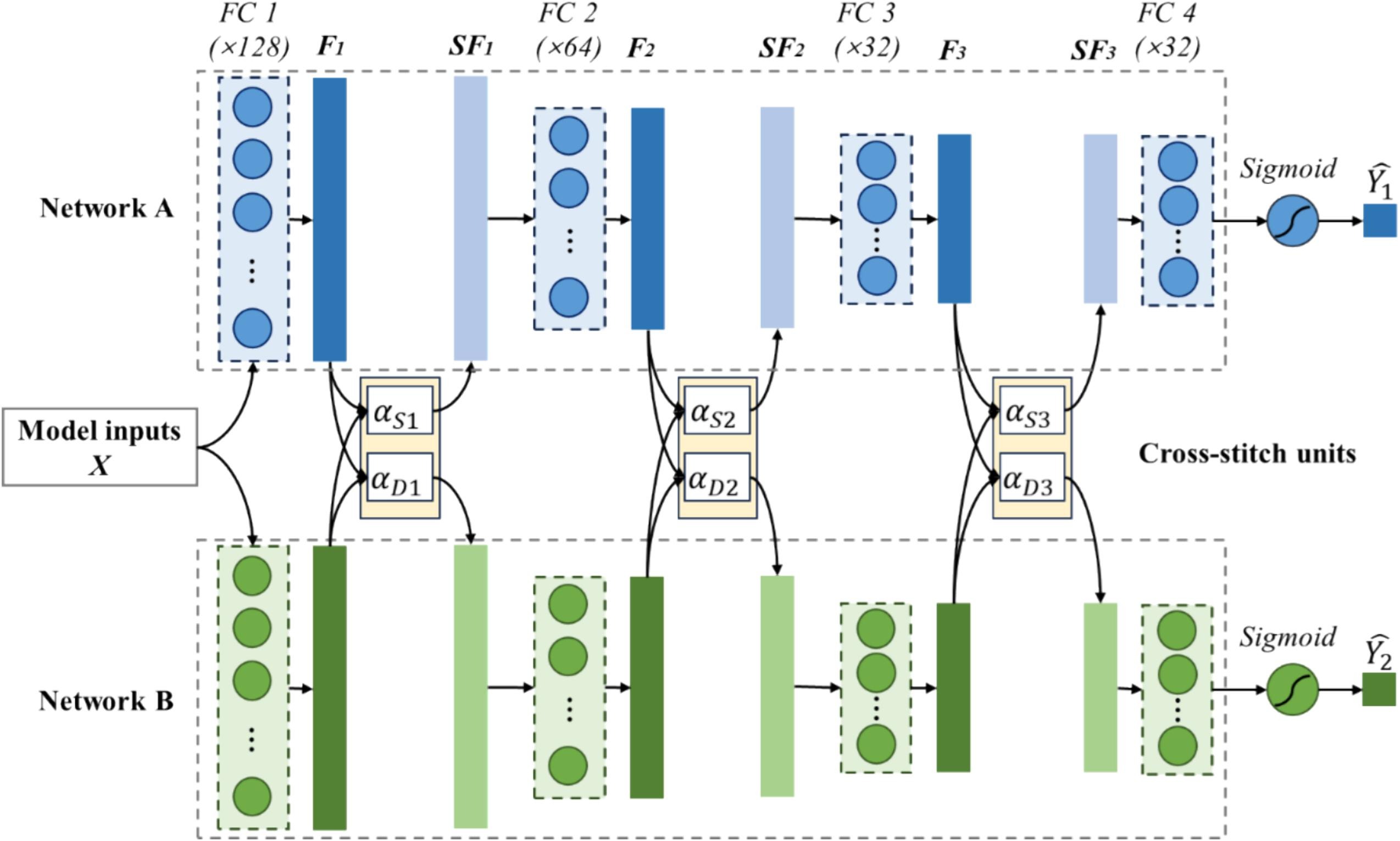
<div class=”list__item” data-publication-year=”2025” data-publication-type=”journal” data-publication-title=”tunnel crash severity and congestion duration joint evaluation based on cross-stitch networks” data-publication-authors=”chenzhu wang, mohamed abdel-aty, lei han*” data-publication-venue=”accident analysis & prevention”data-publication-method=”machine learning”data-publication-data=”crash data”data-publication-objects=”crash severity analysis”>
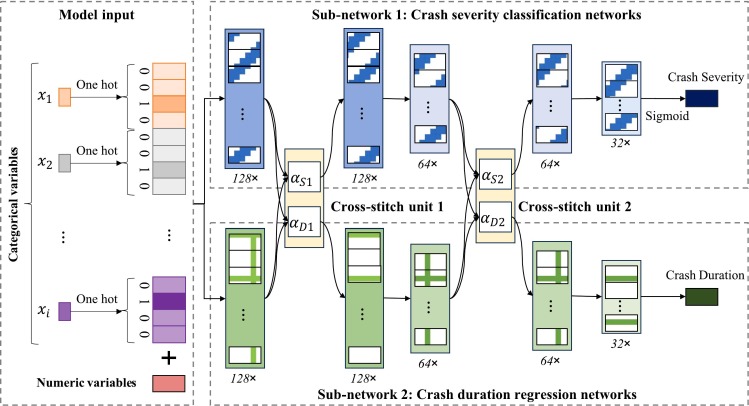
Tunnel Crash Severity and Congestion Duration Joint Evaluation Based on Cross-Stitch Networks
Published in Accident Analysis & Prevention, 2025
This study proposes a joint cross-stitch network model to simultaneously evaluate tunnel crash severity and congestion duration, achieving improved performance over separate models by capturing coupling relationships between the two outcomes.
</div>
<div class=”list__item” data-publication-year=”2025” data-publication-type=”journal” data-publication-title=”intersection crash frequency analysis considering visual environment features using random parameter negative binomial-lindley model” data-publication-authors=”lei han*, mohamed abdel-aty, yang-jun joo, shaoyan zhai, dongdong wang” data-publication-venue=”transportation research record”data-publication-method=”statistics method”data-publication-data=”crash data; streetview data”data-publication-objects=”crash frequency modeling”>
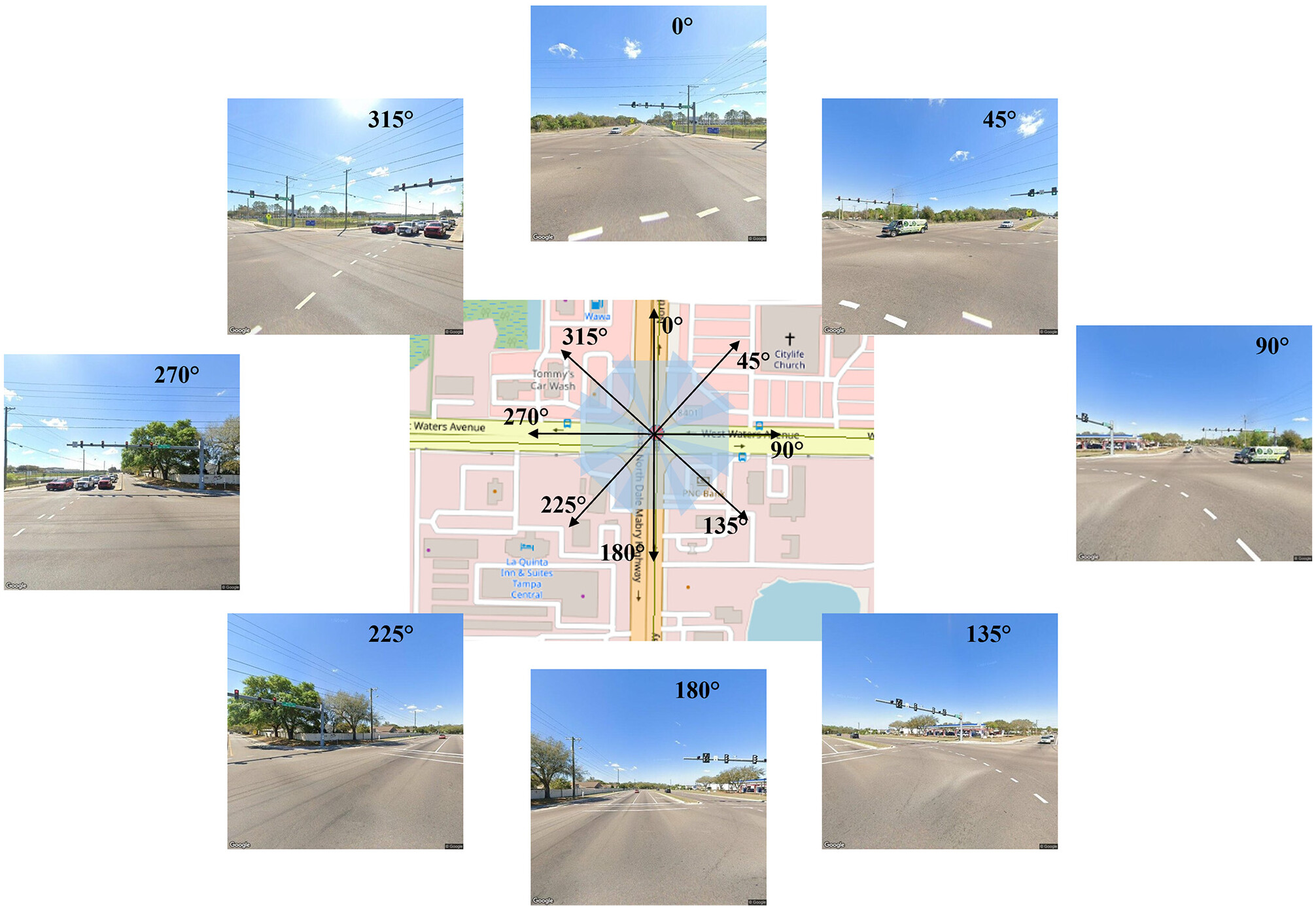
Intersection Crash Frequency Analysis Considering Visual Environment Features Using Random Parameter Negative Binomial-Lindley Model
Published in Transportation Research Record, 2025
This study incorporates visual environment features from Google Street View images into a random parameter negative binomial-Lindley model for intersection crash frequency analysis.
</div>
<div class=”list__item” data-publication-year=”2025” data-publication-type=”journal” data-publication-title=”intersection crash analysis considering longitudinal and lateral risky driving behavior from connected vehicle data: a spatial machine learning approach” data-publication-authors=”lei han*, mohamed abdel-aty” data-publication-venue=”accident analysis & prevention”data-publication-method=”machine learning”data-publication-data=”connected vehicle data”data-publication-objects=”crash frequency modeling; risky driving behavior; spatial modeling”>
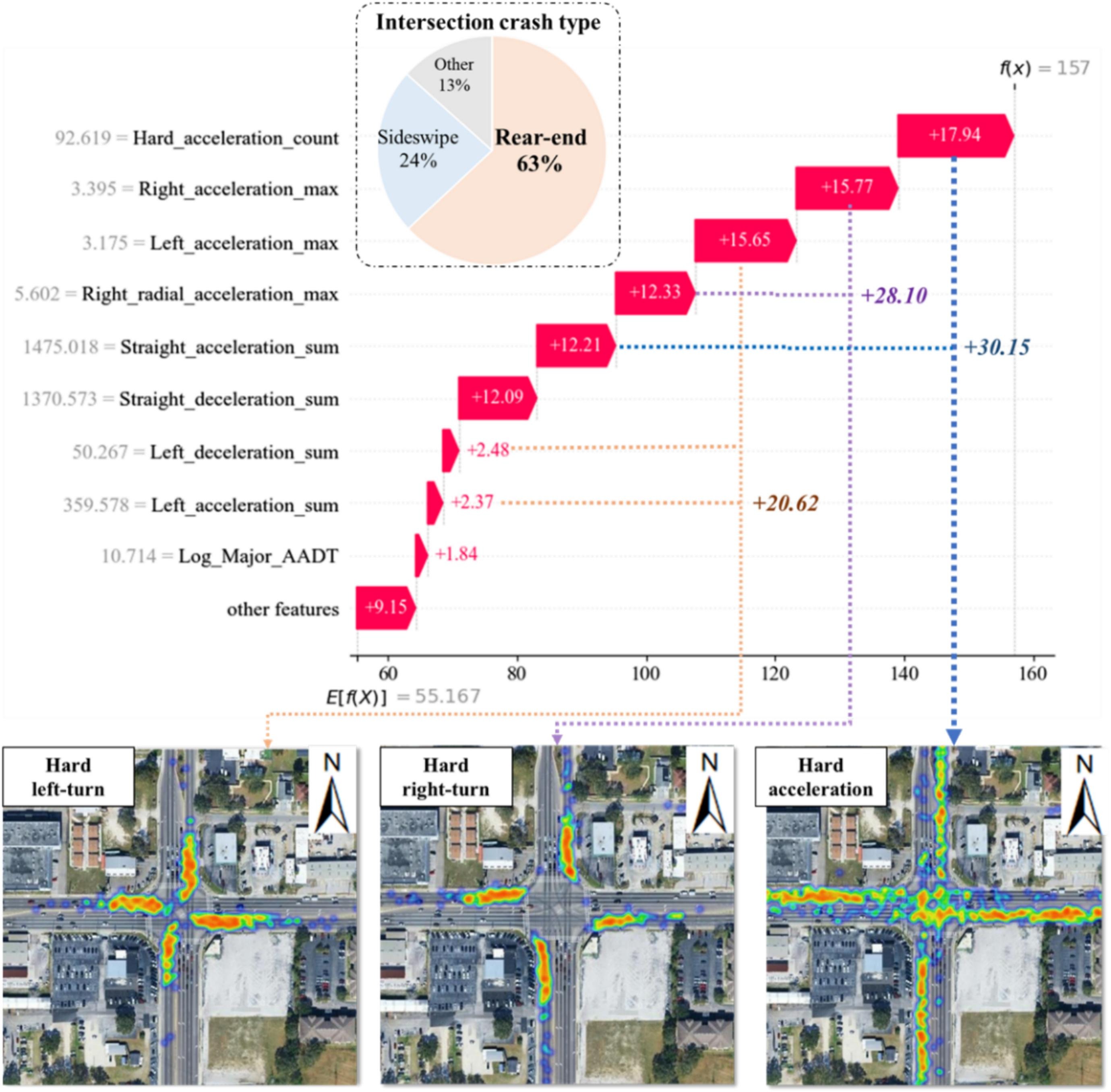
Intersection Crash Analysis Considering Longitudinal and Lateral Risky Driving Behavior from Connected Vehicle Data: A Spatial Machine Learning Approach
Published in Accident Analysis & Prevention, 2025
This study proposes a spatial-ML framework integrating longitudinal and lateral risky driving behaviors from connected vehicle data for intersection crash analysis.
</div>
<div class=”list__item” data-publication-year=”2025” data-publication-type=”journal” data-publication-title=”grouped random parameters poisson-lindley model with spatial effects addressing crashes at intersections: insights from visual environment features and spatiotemporal instability” data-publication-authors=”chenzhu wang, mohamed abdel-aty, lei han*” data-publication-venue=”analytic methods in accident research”data-publication-method=”statistics method”data-publication-data=”crash data; streetview data”data-publication-objects=”crash frequency modeling; spatial modeling”>
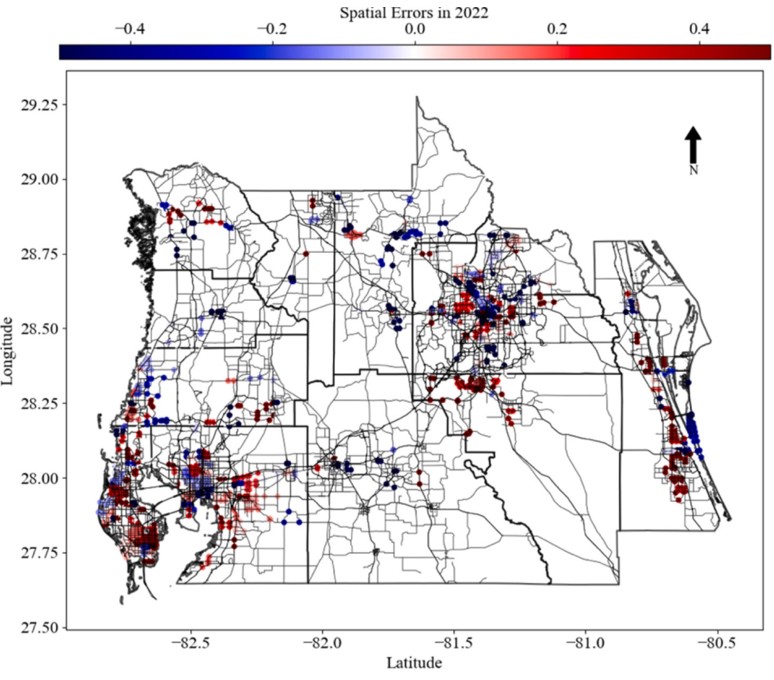
Grouped Random Parameters Poisson-Lindley Model with Spatial Effects Addressing Crashes at Intersections: Insights from Visual Environment Features and Spatiotemporal Instability
Published in Analytic Methods in Accident Research, 2025
This study develops a grouped random-parameters Poisson-Lindley model with spatial effects to analyze intersection crashes with visual environment features and spatiotemporal variations.
</div>
<div class=”list__item” data-publication-year=”2025” data-publication-type=”journal” data-publication-title=”multiscale geographical random forest: a novel spatial ml approach for traffic safety modeling integrating street-view semantic visual features” data-publication-authors=”pengfei cui, mohamed abdel-aty, lei han*, xiaobao yang” data-publication-venue=”transportation research part c: emerging technologies”data-publication-method=”machine learning”data-publication-data=”streetview data”data-publication-objects=”crash frequency modeling; spatial modeling”>
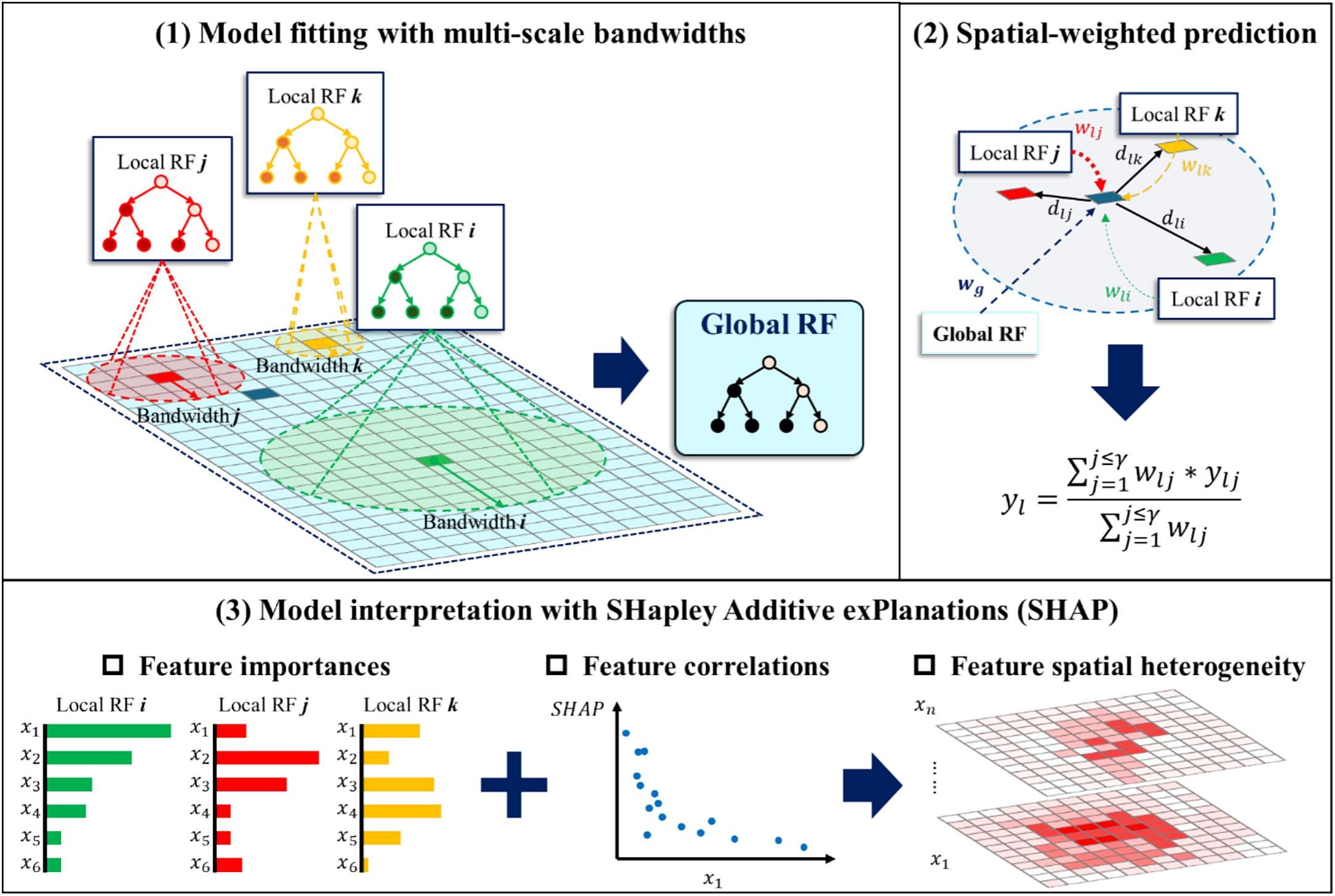
Multiscale Geographical Random Forest: A Novel Spatial ML Approach for Traffic Safety Modeling Integrating Street-View Semantic Visual Features
Published in Transportation Research Part C: Emerging Technologies, 2025
This study proposes a Multiscale Geographical Random Forest (MGRF) integrating street-view semantic visual features for traffic safety modeling by capturing multiscale spatial heterogeneity.
</div>
<div class=”list__item” data-publication-year=”2025” data-publication-type=”journal” data-publication-title=”segment level safety analysis using lane-changing behavior and driving volatility features from connected vehicle trajectories” data-publication-authors=”lei han*, mohamed abdel-aty” data-publication-venue=”scientific reports”data-publication-method=”statistics method”data-publication-data=”connected vehicle data”data-publication-objects=”crash frequency modeling; risky driving behavior”>
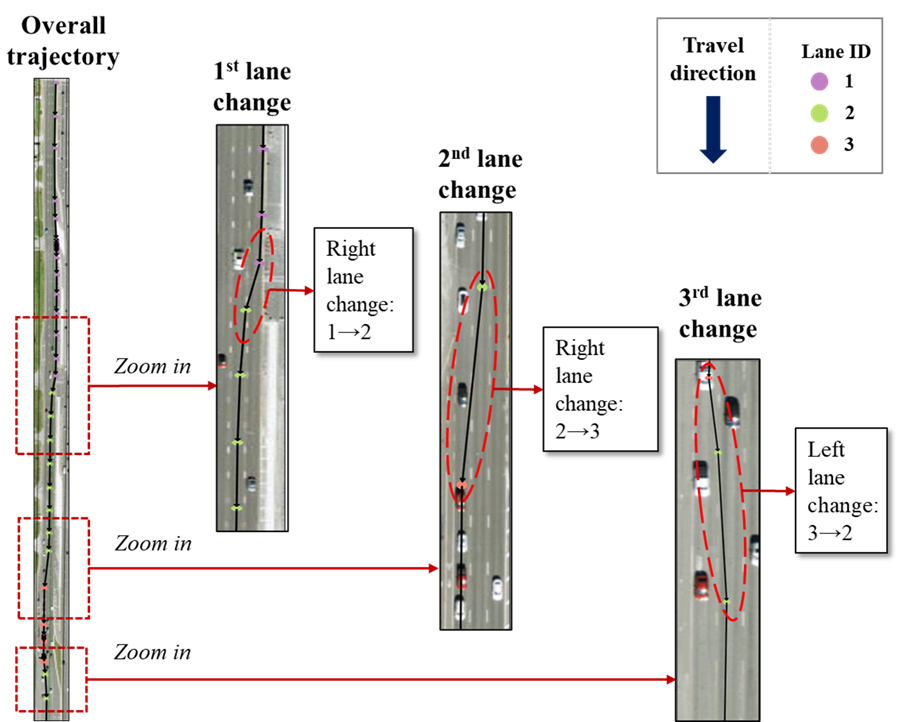
Segment Level Safety Analysis Using Lane-Changing Behavior and Driving Volatility Features from Connected Vehicle Trajectories
Published in Scientific Reports, 2025
This study analyzes segment-level safety using lane-changing and driving volatility features from CV trajectories, revealing critical relationships between risky driving behaviors and crash types.
</div>
<div class=”list__item” data-publication-year=”2026” data-publication-type=”journal” data-publication-title=”crash prediction under limited cv coverage: an ensemble deep learning model integrating multi-source traffic data” data-publication-authors=”samgyu yang*, mohamed abdel-aty, lei han” data-publication-venue=”transportation research part c: emerging technologies”data-publication-method=”deep learning”data-publication-data=”connected vehicle data; detector data”data-publication-objects=”real-time crash prediction”>
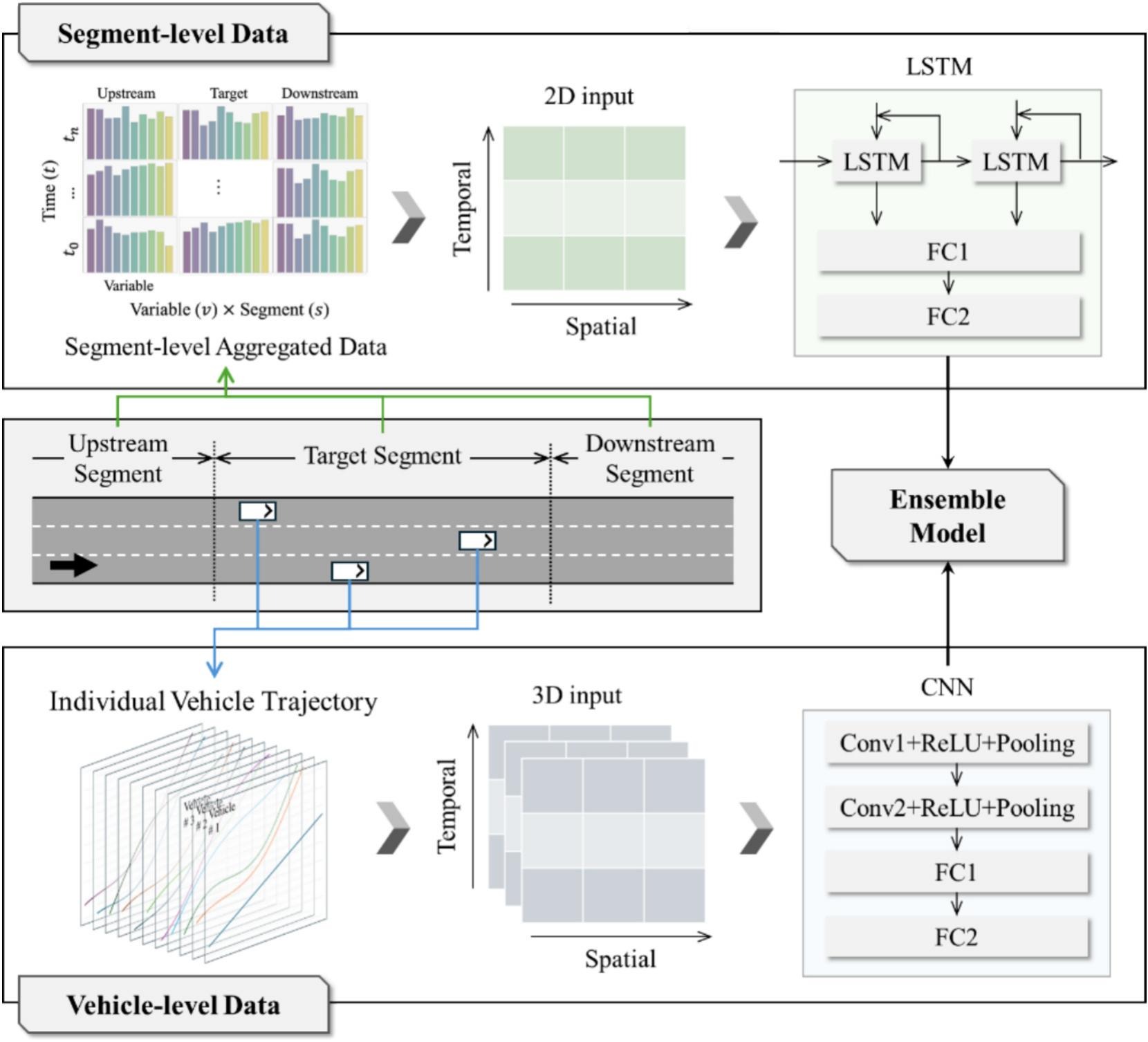
Crash Prediction Under Limited CV Coverage: An Ensemble Deep Learning Model Integrating Multi-Source Traffic Data
Published in Transportation Research Part C: Emerging Technologies, 2026
This study develops an ensemble deep learning model integrating MVDS and connected vehicle data for crash prediction, demonstrating superior performance over single-source models, with CV-only models achieving sensitivity exceeding 0.79 at 4% penetration or higher.
</div>
<div class=”list__item” data-publication-year=”2026” data-publication-type=”journal” data-publication-title=”real-time secondary crash likelihood prediction excluding post primary crash features” data-publication-authors=”lei han*, mohamed abdel-aty, zubayer islam, chenzhu wang” data-publication-venue=”preprint”data-publication-method=”machine learning”data-publication-data=”detector data”data-publication-objects=”real-time crash prediction; secondary crash”>
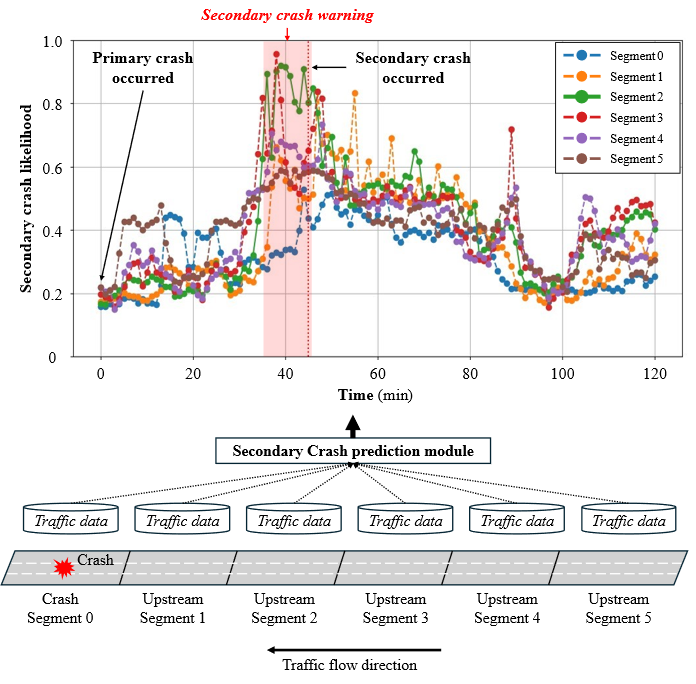
Real-time Secondary Crash Likelihood Prediction Excluding Post Primary Crash Features
Preprint, Under Reviewed in IEEE Transactions on Intelligent Transportation Systems
A hybrid model for real-time secondary crash likelihood prediction that excludes post-crash features, using dynamic spatial-temporal windows and ensemble machine learning methods to achieve 91% identification accuracy with AUC of 0.952.
</div>
<div class=”list__item” data-publication-year=”2026” data-publication-type=”journal” data-publication-title=”mmcaformer: macro-micro cross-attention transformer for traffic speed prediction with microscopic connected vehicle driving behavior” data-publication-authors=”lei han*, mohamed abdel-aty, younggun kim, yang-jun joo, zubayer islam” data-publication-venue=”preprint”data-publication-method=”deep learning”data-publication-data=”connected vehicle data”data-publication-objects=”traffic state prediction; risky driving behavior”>
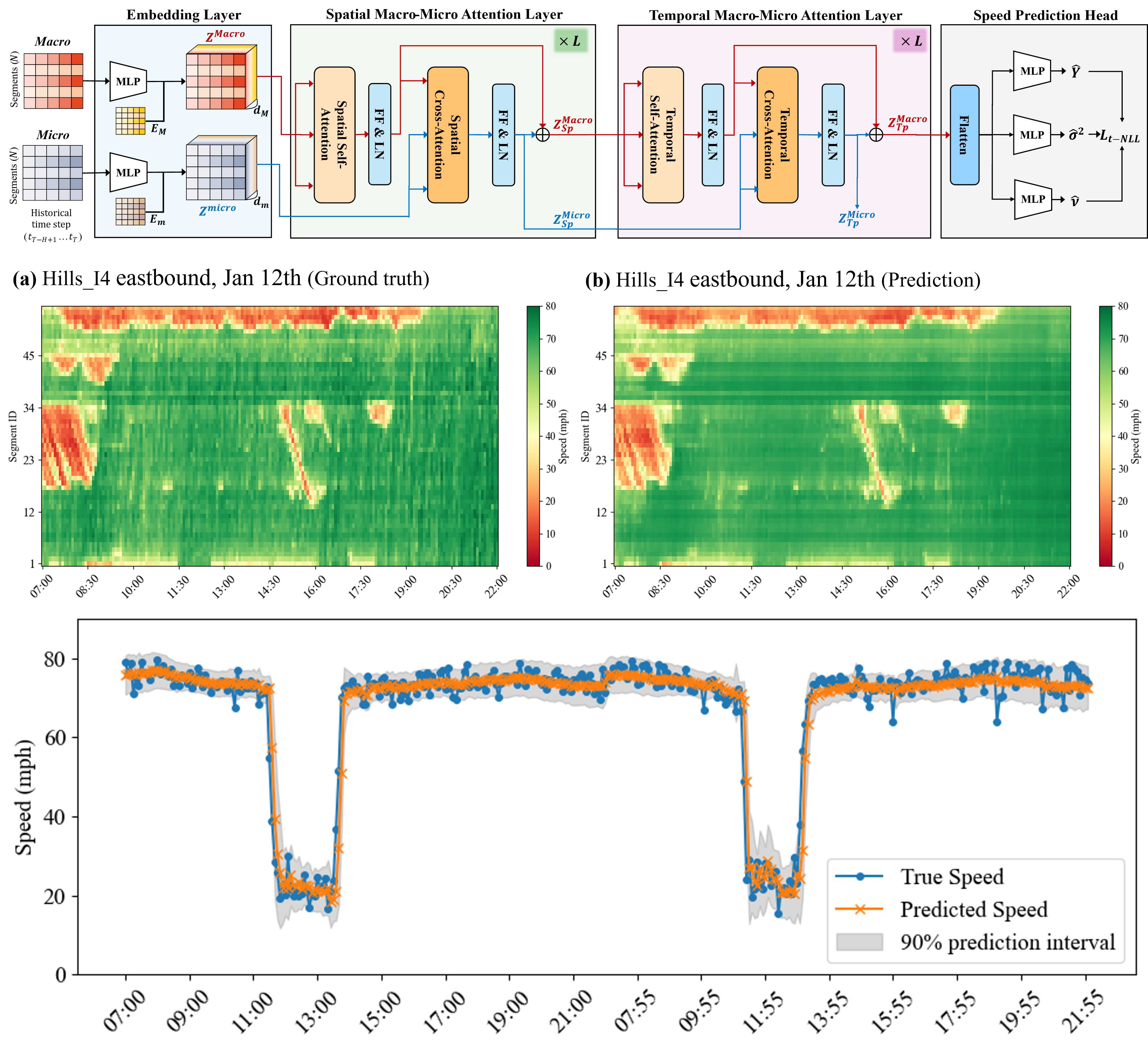
MMCAformer: Macro-Micro Cross-Attention Transformer for Traffic Speed Prediction with Microscopic Connected Vehicle Driving Behavior
Preprint, Under Reviewed in IEEE Transactions on Intelligent Transportation Systems
A Macro-Micro Cross-Attention Transformer (MMCAformer) model that integrates CV data-based micro driving behavior features with macro traffic features for freeway speed prediction.
</div>
<div class=”list__item” data-publication-year=”2026” data-publication-type=”journal” data-publication-title=”arterial network traffic state prediction with connected vehicle data: an abnormality-aware spatiotemporal network” data-publication-authors=”lei han*, mohamed abdel-aty, yang-jun joo” data-publication-venue=”preprint”data-publication-method=”deep learning”data-publication-data=”connected vehicle data”data-publication-objects=”traffic state prediction”>
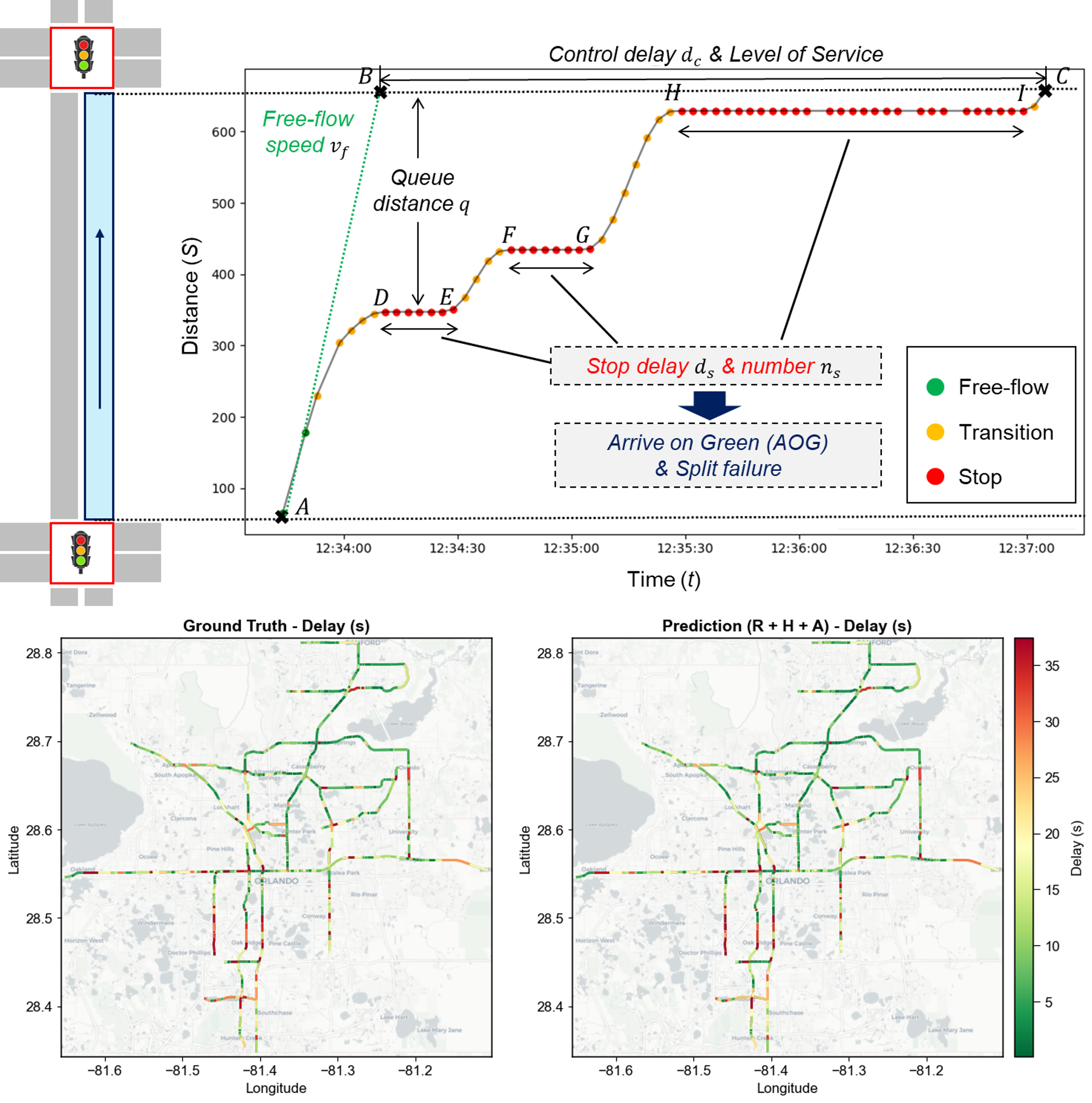
Arterial Network Traffic State Prediction with Connected Vehicle Data: An Abnormality-Aware Spatiotemporal Network
Preprint, Under Reviewed in Transportation Research Part C: Emerging Technologies
This study proposes a CV data-based arterial traffic prediction framework with two-stage traffic-state extraction and an AASTGCN for arterial delay and queue predictions.
</div>